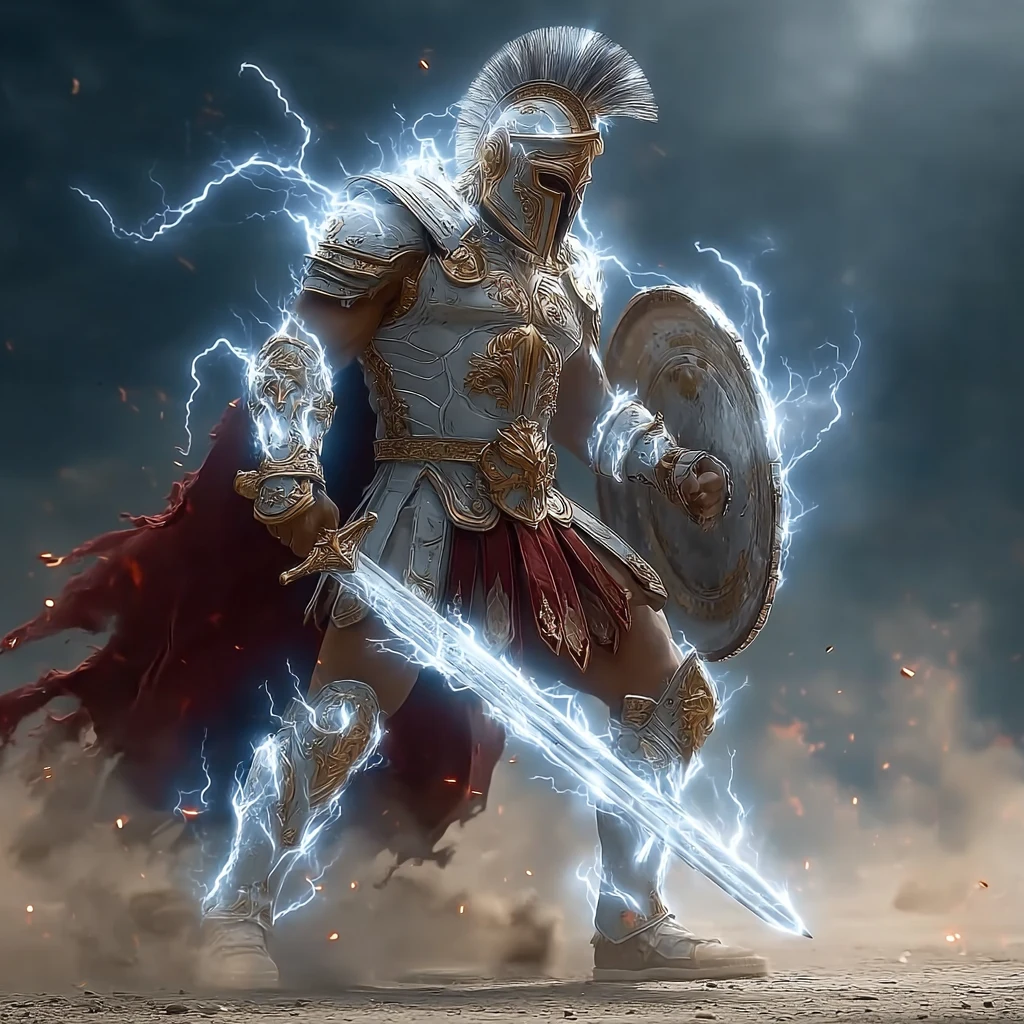
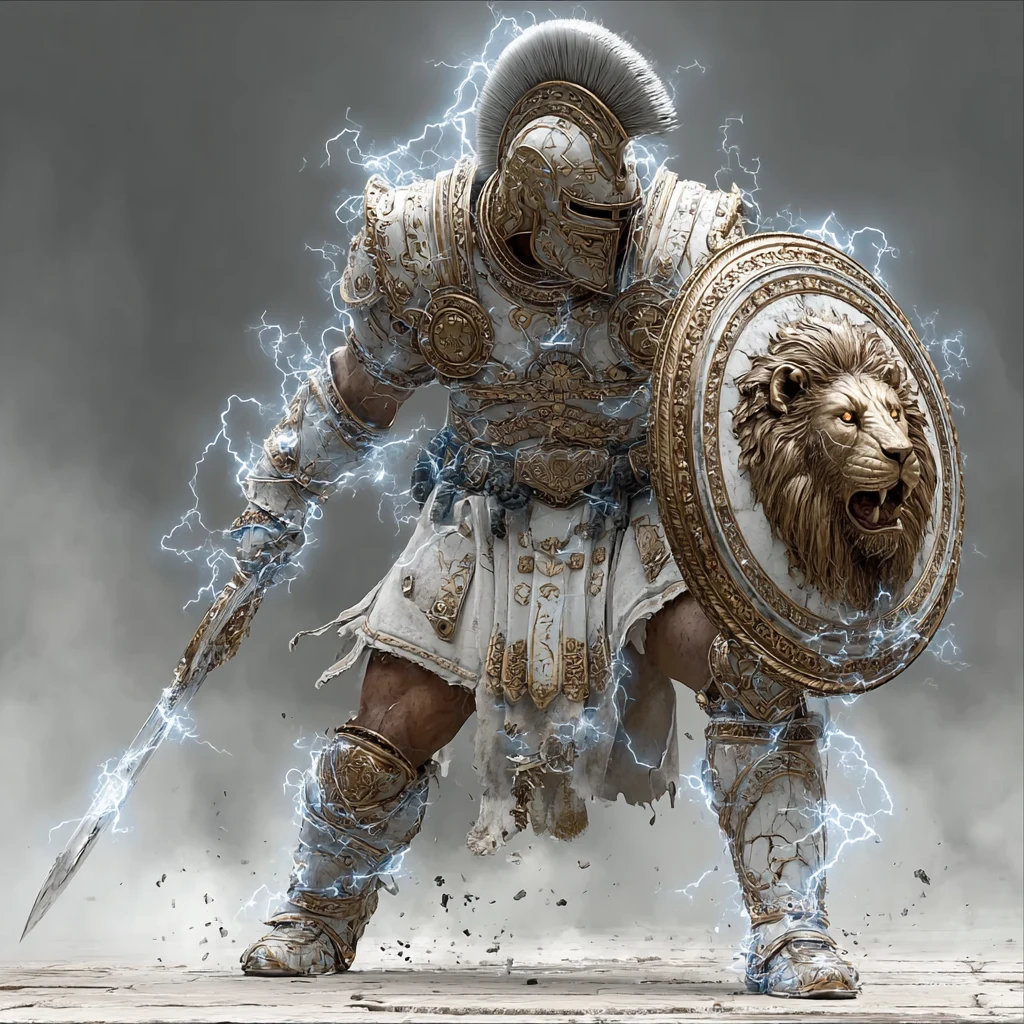
To put on the armor of God, rely on the Lord’s strength and practice the truth, righteousness, peace, faith, salvation, and Word described in Ephesians 6:10–18. Paul gives these instructions to a church facing spiritual opposition and tells believers to stand together. His instruction to pray for all saints shows how each piece fits into a life of watchfulness and prayer.
What are the six pieces of the armor of God?
- The Belt of Truth To anchor your thoughts in scriptural reality. Tell the truth even when an exaggeration would help you win an argument. Let the gospel test the assumptions you bring to a conflict.
- The Breastplate of Righteousness Protecting your heart through Christ’s justification. In Ephesians, right standing with God also has a daily expression. Choose an action consistent with the new life described in Ephesians 4:22–24.
- The Shoes of the Gospel of Peace Readiness to stand firm and move as guided. Ephesians 2:14–18 says that Christ is our peace. Enter difficult conversations ready to seek reconciliation where you can.
- The Shield of Faith To quench all the fiery darts of the wicked. Bring the accusation or temptation into the open before God and recall what He has actually promised.
- The Helmet of Salvation Guarding your mind against deception and doubt. Remember the grace by which you were saved and let the hope of salvation shape how you interpret the trouble in front of you.
- The Sword of the Spirit Which is the active, spoken Word of God. Paul identifies the sword as the Word of God. Like Jesus in Matthew 4, answer temptation with Scripture read in context.
Start by reading Ephesians 6:10–18 in the King James Version. Notice the order. Paul starts with “be strong in the Lord” and returns to the command to stand. When you read the armor piece by piece, keep that whole paragraph in view. Each image answers a particular need, and all of them describe the same posture of dependence on God.
Activating the shield of faith in daily trials
In Ephesians 6:16, the shield quenches “all the fiery darts of the wicked.” An accusation can gain force simply because you keep repeating it to yourself. Pause long enough to put it into words. Is the pressure urging you to give up, retaliate, cover a mistake, or assume God has abandoned you? Name it in prayer and read a passage that addresses the specific claim.
Consider a conflict at work. You feel sure that the only way to protect your reputation is to send an angry reply. Ephesians 4:25–32 gives you something concrete to do. Tell the truth, deal with anger before it takes hold, and choose words that build up the person who hears them. You can ask a trusted believer to pray with you before you send the message. Faith becomes visible in the choice you make after you pray.
The Gospels offer a related example in the centurion, who trusts Jesus’ authority in Matthew 8:5–13. Study what Jesus taught about faith through the centurion alongside Paul’s image of the shield. Then write down one promise or command in context and one faithful action you can take today.
Equip yourself to stand in Christ
Keep a short record for a week. Write down the pressure you faced, the verse you read, and what you did. Bring one of those situations to a trusted Christian and ask them to pray with you. Paul’s request for prayer in Ephesians 6:19–20 gives you a model for asking others to pray about something specific.
Vince Baker’s Spiritual Warfare: Enforce the Victory of Christ By Unleashing the Warrior Within explores how Scripture, prayer, and obedience shape the believer’s response to spiritual opposition.
Strength before equipment
Ephesians 6:10–18 begins by directing believers toward strength in the Lord. The armor belongs within that relationship of dependence. God provides what His people need to stand, and the passage calls them to take it up.
What are the six pieces of the armor of God?
In Ephesians 6:14–17, Paul names the belt of truth, breastplate of righteousness, footwear of the gospel of peace, shield of faith, helmet of salvation, and sword of the Spirit. The belt and breastplate connect truth and righteousness with standing firm. The footwear pictures gospel readiness. The shield pictures trust in God under attack, the helmet calls to mind salvation, and Paul identifies the sword as the Word of God. Verse 18 follows with a call to keep praying. Read verses 10–20 as one continuous appeal.
Truth and righteousness
Truth shapes how we understand God and how we conduct ourselves. Righteousness points our attention toward a life aligned with Him. These are daily concerns: honesty in conversation, integrity in decisions, and readiness to turn from what contradicts Scripture.
Faith, salvation, and peace
The shield of faith pictures trust in God amid opposition. The helmet of salvation brings the mind back to His saving work. The preparation of the Gospel of peace places the good news within the believer’s readiness to stand. Read the whole passage together rather than isolating a single piece.
The Word and prayer
The sword of the Spirit is identified with the Word of God. Prayer follows as a continuing practice. Knowledge of spiritual equipment is meant to become a lived response through Scripture, prayer, and watchfulness.
Practice today
Read Ephesians 6 slowly. Write down one faithful action the passage brings to mind. Perhaps it is speaking truth, praying for someone, or returning to a promise you have neglected to study. Begin there.
Prayer
Father, strengthen me in You. Teach me to receive and use what You provide. Help me stand in truth, walk faithfully, and remain watchful in prayer. Amen.
CONTINUE YOUR STUDY
Discover Spiritual Warfare.
Explore the fuller teaching in Vince Baker’s book. This article is an original ministry reflection, not an excerpt.
Buy on AmazonExplore related Bible guides
Questions for further study
Where is the armor of God described?
Ephesians 6:10–18 describes the armor and places it within the call to be strong in the Lord and remain watchful in prayer.
What is the sword of the Spirit?
Ephesians 6:17 identifies it with the Word of God. Studying and faithfully applying Scripture are central to this teaching.
How can I begin applying this passage?
Read the whole passage, pray over its instruction, and choose a concrete response such as speaking truth or praying faithfully for others.